
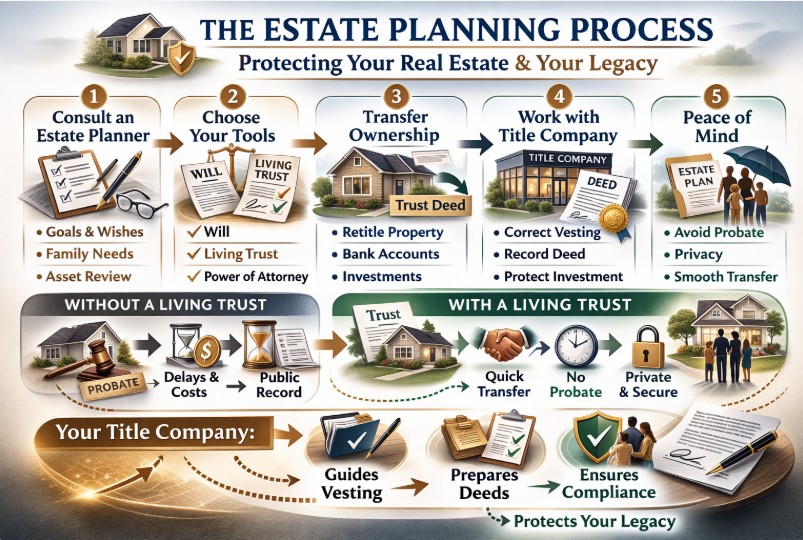
When it comes to protecting your real estate assets, having a clear estate plan is just as important as maintaining your property. Two of the most common tools used in estate planning are wills and living trusts. While both serve the purpose of transferring ownership after death, they function very differently—and understanding those differences can save your heirs time, money, and unnecessary stress.
A will is a legal document that outlines how your assets, including real estate, should be distributed after your passing. It allows you to name beneficiaries and designate an executor who will carry out your wishes. However, one important aspect of a will is that it must go through probate. Probate is a court-supervised process that validates the will and oversees the distribution of assets. In states like Arizona, probate can take several months and sometimes longer, depending on the complexity of the estate.
For real estate owners, probate can present challenges. During this time, the property may be tied up in court proceedings, making it difficult for heirs to sell, refinance, or take ownership quickly. Additionally, probate is a matter of public record, which means details about the estate become accessible to the public.
A living trust, on the other hand, offers a more streamlined approach. A living trust is a legal entity that holds ownership of your assets, including real estate, while you are still alive. You typically serve as the trustee, maintaining full control over your property. Upon your passing, a successor trustee—someone you have chosen—takes over and distributes the assets according to your instructions.
The primary advantage of a living trust is that it allows your real estate to bypass probate entirely. This means your beneficiaries can take ownership much more quickly and privately. For homeowners with multiple properties, investment properties, or out-of-state real estate, a living trust can be especially beneficial in avoiding multiple probate proceedings.
Another key benefit of a living trust is continuity. If you become incapacitated, your successor trustee can step in and manage your real estate without the need for court intervention. This can be critical for ensuring mortgage payments, property maintenance, and other financial obligations are handled without disruption.
This is where a title company becomes an invaluable part of the process. Title companies play a key role in ensuring your real estate is properly vested, whether you are purchasing a property or transferring it into a trust. They can guide you on how to take title—whether as an individual, as a married couple, or in the name of a trust—based on your estate planning goals.
For example, if you choose to establish a living trust, the title company can assist in preparing and recording the deed that transfers ownership from your individual name into the trust. This step is critical, as a trust only controls assets that are properly titled in its name. Without this transfer, the property may still be subject to probate.
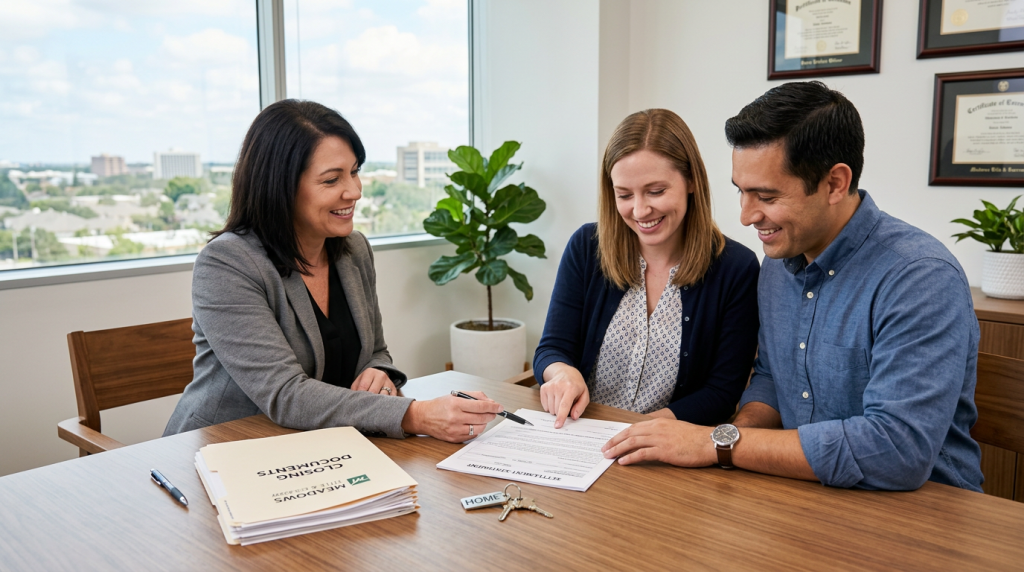
Additionally, title companies work closely with real estate agents, lenders, and escrow officers to ensure that vesting is handled correctly during a transaction. They help prevent future legal issues by confirming that ownership is aligned with your estate plan from the start. Their expertise can also help identify potential red flags, such as incorrect vesting or missing documentation, before they become costly problems.
Choosing between a will and a living trust depends on your individual situation. A will may be sufficient for those with a simple estate and minimal real estate holdings. In contrast, a living trust is often the better option for those who want to avoid probate, maintain privacy, and ensure a smooth transition of property ownership.
Ultimately, the best approach may include both—a will to cover any assets not placed in the trust, and a living trust to handle your real estate and major holdings efficiently. Consulting with a qualified estate planning professional and working closely with your title company can help you create a strategy that protects your investment and provides peace of mind for the future.
Protecting your real estate isn’t just about today—it’s about creating a lasting plan that benefits your loved ones for years to come. If you’re considering a home purchase this year, Let’s connect!





 EN
EN
 ES
ES