
In today’s dynamic real estate market, professionalism and trust are more important than ever—especially in a fast-growing state like Arizona. For those who carry the title of Realtor®, adherence to the National Association of Realtors (NAR) Code of Ethics is what truly sets them apart from other real estate professionals. But what exactly does this code mean, and how does it impact buyers and sellers across Arizona?
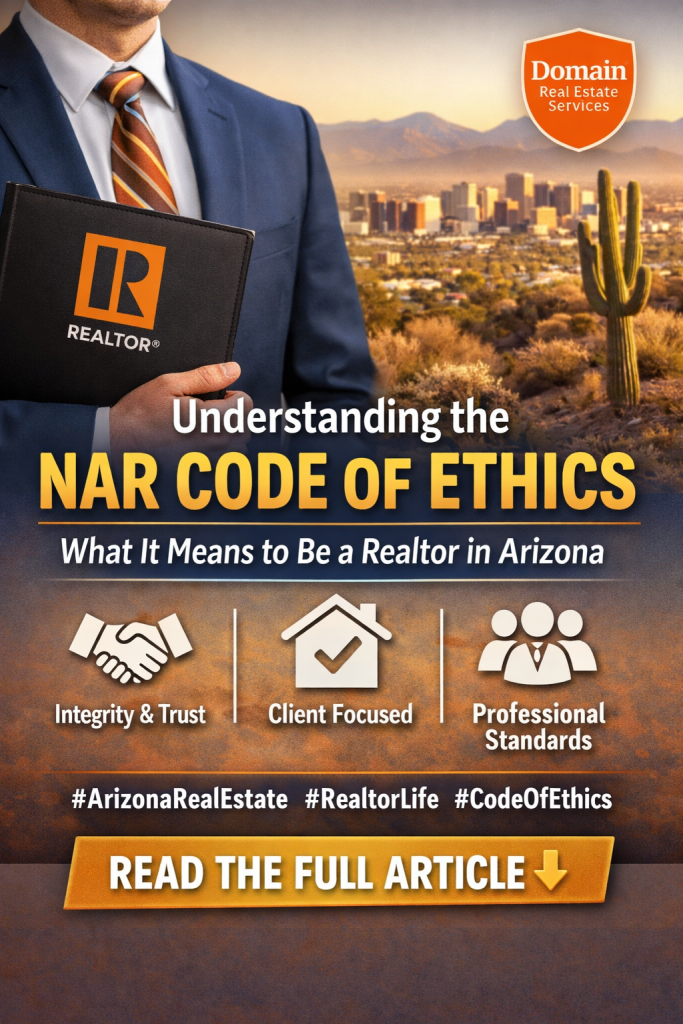
The NAR Code of Ethics was first adopted in 1913, making it one of the earliest examples of industry self-regulation. It was created to ensure that Realtors® conduct business with integrity, fairness, and a commitment to protecting the public. In Arizona’s competitive housing market, where transactions can be complex and fast-moving, these ethical standards serve as a critical foundation for every interaction.
At its core, the Code of Ethics is built around three primary duties: obligations to clients and customers, obligations to the public, and obligations to other Realtors®. Each of these pillars plays a vital role in shaping how real estate professionals operate on a daily basis.
First and foremost, Realtors® are required to put their clients’ interests above their own. This means providing honest advice, maintaining confidentiality, and avoiding conflicts of interest. Whether working with a first-time homebuyer in Phoenix or assisting a seller in Scottsdale, a Realtor® must remain loyal and transparent throughout the entire transaction. This level of fiduciary responsibility helps build trust and ensures that clients feel confident in their decisions.
Equally important are a Realtor’s obligations to the public. The Code of Ethics strictly prohibits misrepresentation, exaggeration, or the concealment of pertinent facts about a property. In a state like Arizona, where factors such as extreme heat, water availability, and property disclosures can significantly impact a transaction, full transparency is essential. Realtors® are expected to provide accurate information and present all properties honestly, allowing buyers and sellers to make informed choices.
The third component focuses on cooperation and respect among real estate professionals. Realtors® are encouraged to work collaboratively, even when representing competing interests. This cooperation helps facilitate smoother transactions and fosters a more professional and efficient marketplace. In Arizona’s rapidly evolving real estate environment, maintaining positive relationships within the industry can make a significant difference in closing deals successfully.
Being a Realtor® in Arizona also means committing to ongoing education. Members of the National Association of Realtors are required to complete ethics training every three years, ensuring they stay up to date with changes in laws, regulations, and best practices. This continued learning helps Realtors® navigate challenges such as shifting market conditions, new disclosure requirements, and evolving client expectations.
Additionally, the Code of Ethics provides a system of accountability. If a Realtor® is found to have violated the code, they may face disciplinary actions through their local association. This could include fines, mandatory education, or even suspension of membership. For consumers, this offers an added layer of protection and peace of mind, knowing that their agent is held to a higher standard.
Ultimately, the NAR Code of Ethics is more than just a set of rules—it’s a commitment to professionalism, integrity, and service. In Arizona, where real estate transactions often represent some of the largest financial decisions individuals will make, working with a Realtor® who upholds these principles can make all the difference.
Choosing a Realtor® means choosing someone who is not only licensed but also dedicated to ethical conduct and client advocacy. And in a market as active and competitive as Arizona’s, that commitment is invaluable. Let’s connect if you’re thinking of buying or selling a home!



 EN
EN
 ES
ES