
As Arizona enters the second half of January 2026, the state’s real estate market is transitioning away from the volatility of the early 2020s and into a period of “controlled recalibration.” After years of intense, supply-constrained competition, early 2026 data indicates a more balanced landscape where buyers have regained some negotiating power, and sellers are adapting to a slower, steadier pace of appreciation. For residents of Phoenix, Scottsdale, and the surrounding regions, the new year brings a market defined by normalizing conditions rather than dramatic shifts.
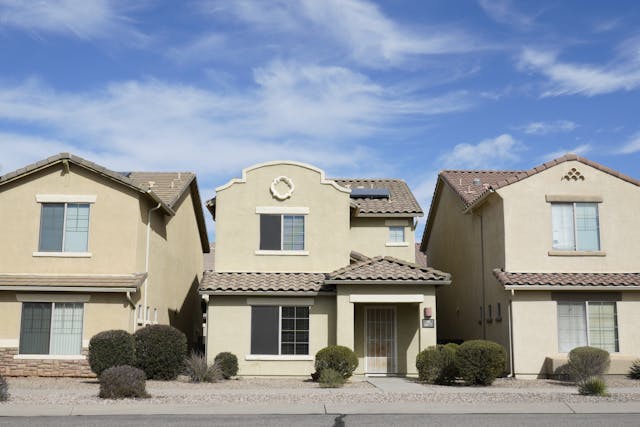
A Shift Toward Balanced Conditions
The defining theme for January 2026 is a gradual, but welcome, increase in supply. Inventory levels, which remained at historic lows through the middle of the decade, have begun to expand. This rise in inventory, combined with a slight moderation in mortgage rates hovering in the low-to-mid 6% range, is shifting the pendulum toward a slightly more buyer-friendly environment.
While not a true buyer’s market, the “teeter-totter” of power is moving toward a more balanced state. Sellers are no longer able to dictate terms with “moonshot” pricing; instead, they must focus on home condition, staging, and strategic pricing to attract buyers.
Price Trends and Seller Strategy
Home prices in Arizona are expected to continue their upward trajectory in 2026, but at a much more subdued, sustainable pace. Rather than double-digit spikes, industry forecasts suggest moderate appreciation,, with some submarkets experiencing flat or slightly lower prices, especially in the entry-level segment.
Sellers in January 2026 are finding that “turnkey” homes—those requiring no immediate renovations—are dominating demand. In high-demand areas like Scottsdale and the North Phoenix corridor, luxury homes with outdoor living amenities and modern, energy-efficient features continue to hold strong value.
Buyer Motivation and Increased Leverage
For prospective homeowners, January 2026 offers more opportunities than the previous year. As more listings hit the market, buyer demand is beginning to rise, although potential homeowners remain cautious, looking for stability in monthly payments rather than rushing in due to fear of missing out.
A significant trend for 2026 is the return of seller concessions. More than half of transactions in many Arizona markets now include some form of concession, such as interest rate buydowns or seller-paid closing costs. This provides buyers with better leverage to negotiate favorable terms.
The Role of New Construction
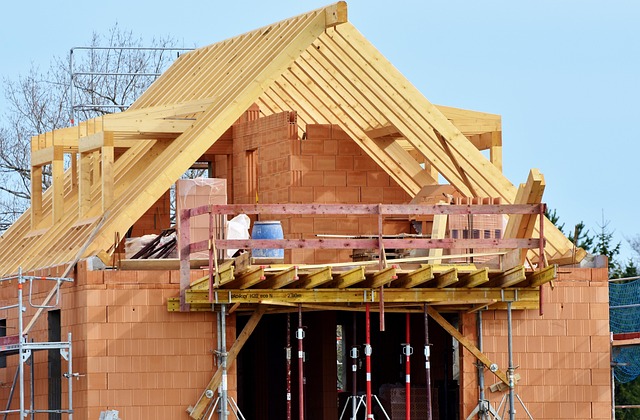
New construction continues to play a vital role in balancing Arizona’s housing market, particularly in expanding suburban areas. Builders have adapted to the slower market by offering generous incentives and focusing on move-in-ready, single-family homes, which has helped keep supply flowing even as, on a national level, new construction starts have slowed.
A Stable Outlook
Entering 2026, the Arizona real estate market is no longer in a “frenzied” state; instead, it is driven by informed, deliberate choices. While economic uncertainty remains a factor, the underlying strength of Arizona’s economy, driven by technological expansion and steady migration, provides a solid foundation.
BOTTOM LINE
In summary, January 2026 is shaping up to be a more navigable year for Arizonans. Whether buying or selling, the key to success lies in understanding that stability—rather than rapid appreciation or falling rates—is the new normal. By acting with patience and leveraging improved inventory options, both buyers and sellers can navigate this new era of Arizona real estate. Let’s connect to discuss your options!





 EN
EN
 ES
ES